Datas de abertura : 22 de Maio de 2026
Visitação: de terça a domingo, das 10h às 17h (permanência até às 18h)
Sobre a Exposição
Um Xirê para Emanoel: tecendo memórias, forjando caminhos
A exposição Um Xirê para Emanoel é mais do que uma mostra de arte; é um convite à imersão em uma profunda pedagogia do sensível, um tributo vibrante ao legado de Emanoel Araujo (1940–2022), um dos mais influentes artistas e intelectuais brasileiros. Esta curadoria se propõe a fortalecer a memória institucional e a expandir o alcance de sua obra, estabelecendo um diálogo entre diferentes gerações e materialidades que, juntas, tecem uma riqueza de significados.
O título Um Xirê para Emanoel evoca a roda sagrada do Candomblé, um movimento contínuo de celebração e reverência aos Orixás. É nesse espírito que as 22 obras de Alberto Pitta se dispõem, criando um ambiente de confluência insurgente. Pitta, com sua maestria na serigrafia e na pintura, utiliza os brancos de Oxalá como base simbólica, infundindo em suas telas e tecidos os signos seculares de África. Para o artista, esta exposição é uma “ode àquele que dedicou sua vida inteira à promoção e valorização da arte negra brasileira”, um reconhecimento a Emanoel Araujo como um “Ogum disposto a vencer todas as batalhas e demandas”, que transformou o espaço em um lugar mais puro e sagrado. A materialidade têxtil e a técnica de Pitta não apenas expressam a ancestralidade, mas também convidam o público a um mergulho sensorial, no qual o azul de Ogum, orixá dos caminhos e das tecnologias, permeia o ambiente, simbolizando força, inovação e a abertura de novas sendas.
No cerne desta celebração, encontramos duas obras de inestimável valor do acervo de Emanoel Araujo: relevos que pontuam momentos cruciais de sua trajetória. Essas peças, marcadas por sua linguagem construtivista e pela profunda pesquisa da geometria em diálogo com a herança africana, são pilares conceituais da mostra. Elas não apenas testemunham a genialidade de Araujo, mas também estabelecem uma ponte temporal e estética, conectando sua visão vanguardista às novas leituras propostas pela exposição. A diversidade de materialidades presentes nas obras de Araujo e Pitta — da rigidez da escultura à fluidez dos tecidos — sublinha o processo de “tecer memórias”, no qual cada fibra e cada forma contribuem para a construção de uma narrativa contínua e multifacetada.
Completando este encontro de forças, a exposição acolhe as icônicas bonecas Abayomis da artista e sacerdotisa Mãe Detinha de Xangô. Essas peças, carregadas de afeto, proteção e da força da mulher negra, ganham um significado ainda mais profundo ao revelarmos que foram presentes dados a Emanoel Araujo e hoje integram o acervo do museu. As Abayomis, feitas de pano e desprovidas de costura, são símbolos de resistência e sabedoria ancestral, materializando uma “pedagogia do sensível”, na qual o fazer artístico é indissociável do cuidar, do lembrar e do regenerar mundos. Elas representam a confluência do sagrado e do estético, enriquecendo a “cosmologia da presença” que a exposição busca evocar.
Um Xirê para Emanoel configura-se, assim, como uma encruzilhada estética e política. É um espaço onde diversas materialidades — da serigrafia e da pintura de Pitta aos relevos de Araujo e às bonecas de pano de Mãe Detinha — se encontram para forjar novas compreensões sobre a arte afro-brasileira. A exposição é um convite à reflexão sobre a potência da arte como veículo de transformação, conhecimento e resistência, reafirmando o legado de Emanoel Araujo e abrindo caminhos para o futuro da arte e da cultura no Brasil profundo.
Sobre o Museu Afro Brasil Emanoel Araujo
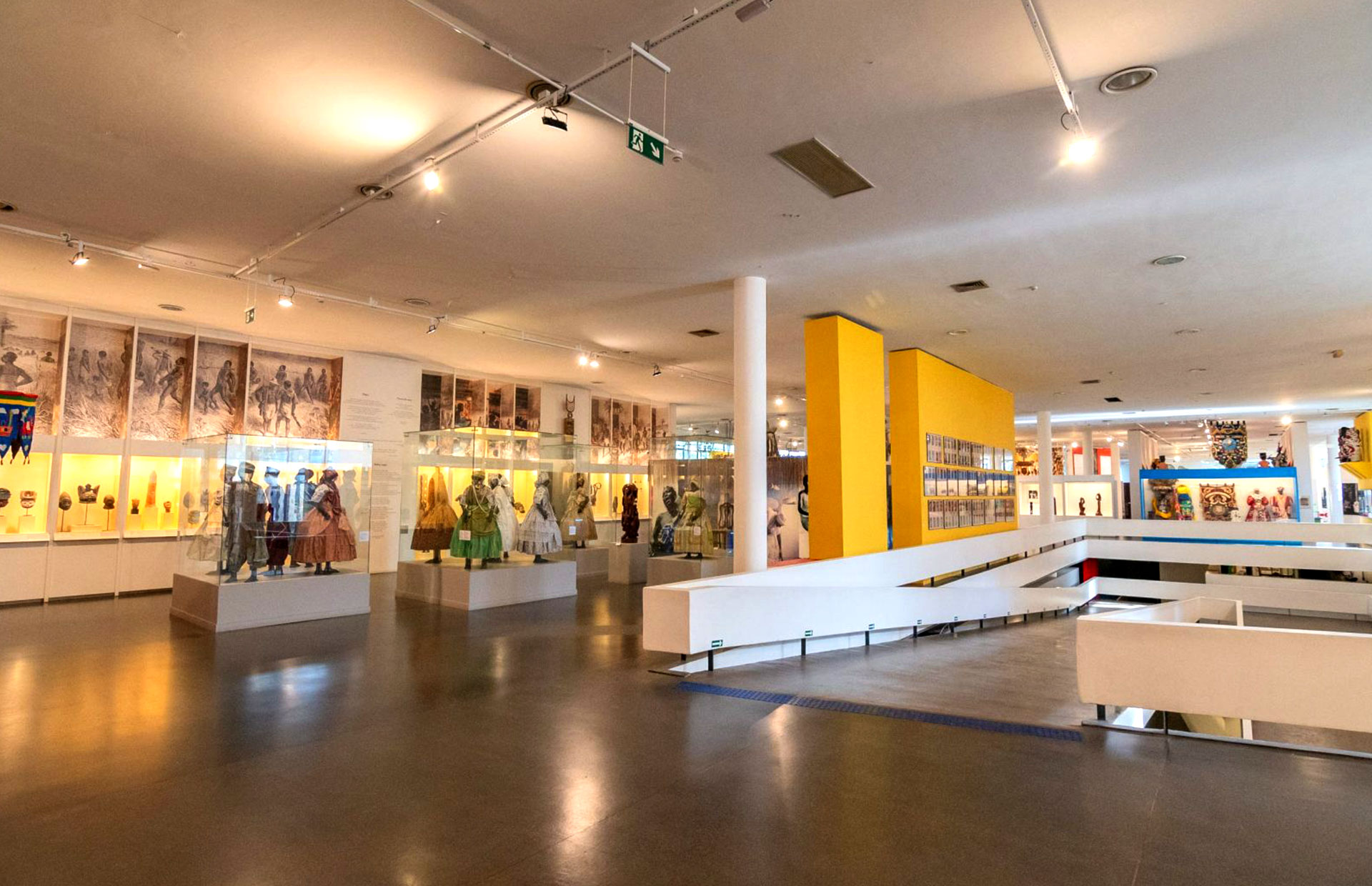
O Museu Afro Brasil Emanoel Araujo é uma instituição da Secretaria da Cultura, Economia e Indústria Criativas do Estado de São Paulo administrada pela Associação Museu Afro Brasil – Organização Social de Cultura. Inaugurado em 2004, a partir da coleção particular do seu fundador, Emanoel Araujo (1940-2022), o museu é um espaço de história, memória e arte. Localizado no Pavilhão Padre Manoel da Nóbrega, dentro do mais famoso parque de São Paulo, o Parque Ibirapuera, o Museu Afro Brasil Emanoel Araujo conserva, em cerca de 12 mil m², um acervo museológico com mais de 8 mil obras, apresentando diversos aspectos dos universos culturais africanos e afro-brasileiro e abordando temas como religiosidade, arte e história, a partir das contribuições da população negra para a construção da sociedade brasileira e da cultura nacional. O museu exibe parte deste acervo na exposição de longa duração e realiza exposições temporárias.
About the Exhibition
A Xirê for Emanoel: Weaving Memories, Forging Paths
The exhibition A Xirê for Emanoel is more than an art exhibition; it is an invitation to immerse oneself in a profound pedagogy of the senses and a vibrant tribute to the legacy of Emanoel Araujo (1940–2022), one of Brazil’s most influential artists, curators, and intellectuals. This curatorial project seeks to strengthen the institution’s memory while expanding the reach of his work, fostering a dialogue between different generations and materialities that together weave a rich tapestry of meanings.
The title A Xirê for Emanoel evokes the sacred circle of Candomblé, a continuous movement of celebration and reverence dedicated to the Orixás. It is within this spirit that Alberto Pitta’s twenty-two artworks are arranged, creating an environment of insurgent convergence. Renowned for his mastery of screen printing and painting, Pitta employs the whites of Oxalá as a symbolic foundation, infusing his canvases and textiles with centuries-old African visual symbols. For the artist, this exhibition is “an ode to the man who dedicated his entire life to promoting and celebrating Black Brazilian art,” recognizing Emanoel Araujo as “an Ogum, determined to overcome every battle and challenge,” transforming this space into one that is purer and more sacred. The textile materiality and techniques employed by Pitta not only express ancestry but also invite visitors into a sensory experience, where the blue associated with Ogum—the Orixá of pathways, technology, and transformation—permeates the gallery, symbolizing strength, innovation, and the opening of new possibilities.
At the heart of this celebration are two invaluable relief sculptures from the Emanoel Araujo Collection, marking pivotal moments in the artist’s career. Defined by a constructivist visual language and an in-depth exploration of geometry in dialogue with African heritage, these works serve as the exhibition’s conceptual pillars. They bear witness not only to Araujo’s artistic brilliance but also establish a temporal and aesthetic bridge, connecting his pioneering vision with the new interpretations proposed throughout the exhibition. The diversity of materialities found in the works of both Araujo and Pitta—from the solidity of sculpture to the fluidity of textiles—underscores the exhibition’s process of “weaving memories,” in which every fiber and every form contributes to the creation of a continuous and multifaceted narrative.
Completing this powerful encounter are the iconic Abayomi dolls by artist and priestess Mãe Detinha de Xangô. These works, imbued with affection, protection, and the strength of Black womanhood, acquire an even deeper significance when visitors discover that they were gifts presented to Emanoel Araujo and are now part of the museum’s permanent collection. Made from fabric without stitching, the Abayomi dolls symbolize resistance, care, and ancestral wisdom, embodying a “pedagogy of the senses” in which artistic practice is inseparable from nurturing, remembrance, and the regeneration of worlds. They represent the convergence of the sacred and the aesthetic, enriching the “cosmology of presence” that the exhibition seeks to evoke.
A Xirê for Emanoel thus emerges as both an aesthetic and political crossroads. It is a space where diverse materialities—from Pitta’s screen prints and paintings to Araujo’s relief sculptures and Mãe Detinha’s textile dolls—come together to forge new understandings of Afro-Brazilian art. The exhibition invites reflection on the transformative power of art as a vehicle for knowledge, memory, and resistance, reaffirming the legacy of Emanoel Araujo while opening new pathways for the future of art and culture in Brazil.
About Museu Afro Brasil Emanoel Araujo
Museu Afro Brasil Emanoel Araujo is an institution of the São Paulo State Secretariat for Culture, Economy and Creative Industries, managed by the Associação Museu Afro Brasil, a nonprofit cultural organization. Established in 2004 from the private collection of its founder, Emanoel Araujo (1940–2022), the museum is dedicated to history, memory, and art.
Located in the Padre Manoel da Nóbrega Pavilion within São Paulo’s iconic Ibirapuera Park, the museum occupies approximately 12,000 square meters and houses a collection of more than 8,000 works of art and historical objects. Its collection explores the cultural universes of Africa and the African diaspora in Brazil, addressing themes such as religion, art, and history through the contributions of Black people to the formation of Brazilian society and national culture. Alongside its long-term exhibition, the museum presents an ongoing program of temporary exhibitions, educational activities, and public engagement initiatives.